
How to Spot It & What to Do
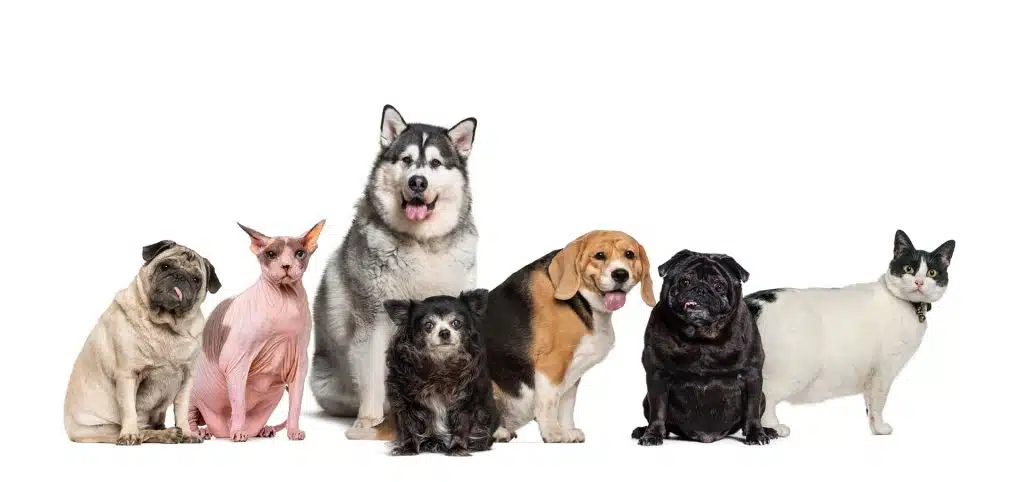
Chubby pets might look adorable—but excess weight can lead to serious health problems. From joint issues to diabetes, carrying those extra pounds can shorten your pet’s lifespan and reduce their quality of life. Is my pet overweight?The good news? With a little knowledge and care, you can help your furry friend get back to a healthy weight and live their best life.
In this guide, we’ll walk you through how to tell if your pet is overweight, why it matters, and what steps to take to improve their health.
🐕 Why Pet Obesity Matters
Just like in humans, obesity in pets can increase the risk of:
- Diabetes
- Heart disease
- Joint pain and arthritis
- Breathing difficulties
- Decreased energy and mobility
- Shorter lifespan
Even just a few extra pounds can have a big impact—especially for small breeds or cats.
🐈 How to Tell If Your Pet Is Overweight
Here are a few simple ways to check your pet’s body condition:
1. Rib Test
Gently run your fingers along your pet’s ribs. You should be able to feel them without pressing hard, but they shouldn’t be visible.
2. Waist Check
Look at your pet from above. Do they have a defined waist between their rib cage and hips? If not, they may be overweight.
3. Side View
When viewed from the side, a healthy dog or cat should have a slight “tuck” in their belly behind the ribs. A sagging belly is often a sign of extra weight.
4. Behavioral Clues
- Tires easily during walks or play
- Reluctant to move or jump
- Sleeps more than usual
- Heavy breathing with minimal effort
If you’re unsure, your vet can perform a Body Condition Score (BCS)—a helpful tool used to assess your pet’s weight on a scale of 1 to 9.
🍖 Common Causes of Weight Gain in Pets
- Overfeeding or frequent treats
- Lack of exercise or mental stimulation
- Human food or high-calorie diets
- Hormonal issues (e.g., hypothyroidism, Cushing’s disease)
- Neutering (can slightly reduce metabolism)
✅ What to Do if Your Pet Is Overweight
1. Visit Your Veterinarian
Before starting a weight-loss plan, check with your vet. They can rule out medical issues and recommend a safe, tailored approach.
2. Measure Meals (Don’t Free-Feed)
Avoid leaving food out all day. Use a measuring cup and feed based on your pet’s ideal weight, not their current weight. Stick to scheduled meal times.
3. Switch to Weight-Control Food
Look for high-protein, low-fat formulas with plenty of fiber to keep your pet full. Avoid calorie-dense treats and table scraps.
4. Track Treats
Treats should make up no more than 10% of your pet’s daily calories. Consider healthy options like small bits of carrots, green beans, or vet-approved snacks.
5. Increase Exercise
- Dogs: More walks, fetch, obstacle courses, or swimming
- Cats: Laser pointers, interactive toys, food puzzles, or climbing trees
Start slow and build up. Even 15 extra minutes a day can make a difference.
6. Monitor Progress
Weigh your pet regularly (every 2–4 weeks) and keep a journal. Celebrate small wins like losing a pound or improving energy levels.
💡 Bonus Tips for Success
- Avoid guilt-feeding—extra food isn’t love.
- In multi-pet homes, feed overweight pets separately.
- Use food puzzles to slow down eating and add enrichment.
- Make weight loss a family goal so everyone’s on board.
🐾 Final Thoughts
Your pet relies on you to make healthy choices for them. Spotting the signs of excess weight early—and taking action—can help prevent costly vet bills and extend the life of your best friend.
Remember: it’s not about making your pet skinny—it’s about making them healthy, happy, and active for years to come.